How Often Should You Book Gutter Cleaning in Hackettstown
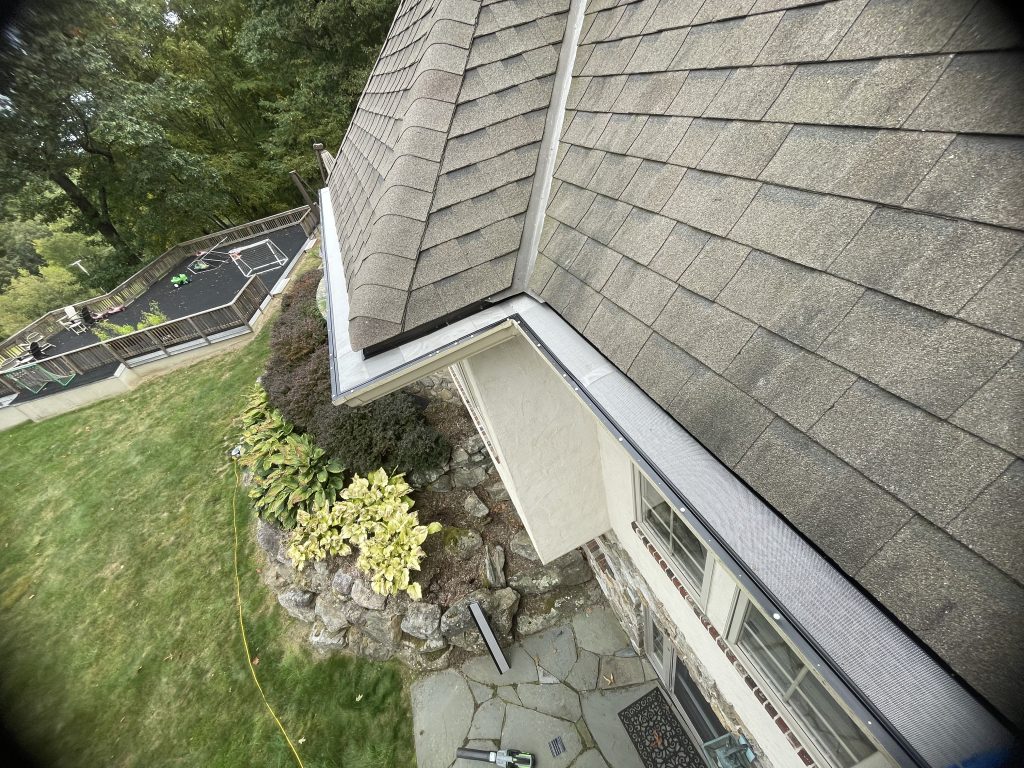

If you own a home in Hackettstown, gutter cleaning is not a once-a-year chore you can put on autopilot and forget. The right schedule depends on your roofline, the number and type of nearby trees, whether your gutters have guards, and how your property handles heavy rain, snowmelt, and windblown debris. In practical terms, most homes in this part of New Jersey benefit from gutter cleaning at least twice a year, while many need three or even four visits to avoid overflow, fascia damage, and foundation trouble.
That short answer is useful, but it is not enough to make a smart maintenance decision. I have seen two houses on the same block need completely different service intervals. One sits under mature maples and clogs by late spring. The other has a cleaner roofline, fewer overhanging branches, and can get through most of the year with much less buildup. The only reliable approach is to match the cleaning frequency to the conditions your home actually faces.
Why Hackettstown homes often need more than a yearly cleaning
Hackettstown gets the kind of seasonal variation that exposes weak gutter maintenance habits fast. Fall drops leaves into troughs and downspouts. Spring brings seed pods, blossoms, and roof grit loosened by winter weather. Summer storms can wash all of that into compacted mats. Then winter arrives, and any standing debris or trapped water can freeze, adding weight and increasing the chance of ice-related problems at the roof edge.
That cycle matters because gutters rarely fail all at once. More often, they start underperforming in small ways. Water spills over one corner during a hard rain. A downspout drains slower than it should. A seam begins to leak. The mulch bed below an elbow stays washed out. Homeowners live with those signs for months, then call when the issue becomes expensive. By then, what should have been routine Gutter Cleaning Hackettstown service turns into fascia repair, re-pitching sections, or dealing with basement moisture.
A yearly cleaning may work for a very open property with minimal tree cover. For many homes in and around Hackettstown, it is not enough. Not because the gutters are poorly made, but because the debris load is simply too high.
The baseline schedule that works for most homes
For an average single-family home in Hackettstown, a sensible starting point is two cleanings per year. One should happen in late spring, after the heaviest pollen, bud, and seed drop has passed. The other should happen in late fall, after most leaves have come down but before winter weather settles in for good.
That two-visit pattern addresses the two periods when gutters typically take the biggest hit. Spring cleaning clears out what winter storms and early tree shedding leave behind. Fall cleaning prepares the system to carry rain and snowmelt without backup. If your home has moderate tree coverage and your gutters drain well, this may be enough.
Even so, a twice-a-year schedule is a baseline, not a guarantee. If you have watched water pour over the front gutter during one hard storm, that is your house telling you the interval is too long.
When twice a year is not enough
The homes that need more frequent service usually share a few traits. They sit under mature deciduous trees, especially maples, oaks, and sycamores. They have valleys that channel roof debris into one section of gutter. They have multiple roof levels, where one roof sheds directly onto another. Or they already have some sagging, poor pitch, or older gutter hardware that slows drainage.
Three cleanings a year often make sense for those properties. A spring visit, an early fall check, and a late fall cleanup usually keeps things under control. I have also seen homes that need a fourth visit because pine needles, helicopter seeds, or heavy tree litter build up faster than expected. Pine needles are a common culprit because they weave together and create dense mats that do not always wash out, even in strong rain.
One practical clue is what you find near the downspout outlets. If you routinely see granules from shingles, leaf sludge, or dark clumps on the splash block, the system is carrying more debris than a minimal schedule can handle.
Tree cover changes everything
If I had to name the single biggest factor that determines gutter cleaning frequency, it would be tree cover. Not just whether you have trees, but how close they are, how high they reach over the roof, and what they drop throughout the year.
A tall oak twenty feet from the house can still load your gutters heavily in the fall. A maple hanging directly over a roof valley can clog one run in weeks. Even homes without major leaf drop can struggle if they sit near pines, because needles slip under some guards and accumulate in the troughs or clog the top of the downspout.
This is where homeowners sometimes get tripped up. They assume that because the property looks tidy from the ground, the gutters are fine. But debris does not distribute evenly. One side of the house may stay relatively clear while another section, often the rear where fewer people look, holds a compacted dam of leaves and roof grit. That is why service intervals should be based on where debris actually collects, not on a general impression of the yard.
The role of gutter guards, and the limits people forget
Gutter guards can reduce cleaning frequency, but they rarely eliminate it. That distinction matters. Guards help keep out larger leaves, yet they still allow fine debris, shingle grit, blossoms, and small seeds to settle. Some designs handle one type of debris well and perform poorly with another. Pine needles, for example, can be especially troublesome depending on the guard style.
In Hackettstown, where seasonal debris changes from spring to fall, guards often shift the job rather than remove it. Instead of digging out full troughs, the service may involve brushing off the guard surface, clearing clogged openings, and flushing the downspouts. That is still maintenance, just a different version of it.
A good guard system may let a low-debris home stretch from three cleanings down to two, or from two down to one inspection plus one cleaning. But homeowners who hear "lifetime protection" and stop monitoring the system altogether are often the ones surprised by overflow stains and wet basement walls.
Signs your home needs a shorter cleaning interval
You do not need to wait for a full blockage to know the schedule is off. Gutters usually show early warning signs if you know what to look for. The most obvious is overflow during moderate or heavy rain, especially if it happens only at certain corners or near roof valleys. That often means the system is not draining fast enough, either from debris or pitch issues worsened by buildup.
Watch for dark tiger-striping on the face of the gutter, water marks on siding, eroded mulch, and plants growing in the troughs. If downspouts drip at seams or water pools near the foundation after storms, the system may be partially clogged even if the gutters do not appear full from below.
Inside the home, subtle clues matter too. A musty basement edge, paint bubbling near trim, or recurring wet spots near one wall can sometimes trace back to poor gutter performance. Gutters are simple, but they sit at the start of your home’s water management system. When they fail, the effects travel farther than most people expect.
Seasonal timing that makes sense in northwestern New Jersey
Timing matters almost as much as frequency. If you clean too early in the fall, trees may drop another wave of leaves and refill the gutters before winter. If you wait too long, freezing weather can lock debris in place and make service harder.
For many Hackettstown homes, the best pattern looks like this:
- Late spring, after seed pods, blossoms, and winter residue have largely cleared
- Late fall, after the majority of leaves have dropped but before persistent freezing conditions
- Add an early fall or midsummer visit if trees, needles, or storm debris build up quickly
Those windows are not rigid dates. A heavily wooded property may need attention earlier in the fall and again near the end of leaf season. A more open lot can often wait until the debris cycle has finished. The point is to schedule around how material actually lands on your roof, not around a calendar reminder that never changes.
How roof design affects cleaning frequency
Two houses with the same tree coverage can still need different service intervals because roof design changes how debris travels. Steep roofs shed quickly, sometimes pushing leaves into one concentrated section. Valleys act like funnels. Dormers create little pockets where litter collects and then drops all at once into the gutter below. Second-story roofs that empty onto first-story sections can overload lower runs much faster than homeowners expect.
Long gutter runs also behave differently than short ones. If the downspout placement is limited, debris has farther to travel and is more likely to settle before it reaches the outlet. Add one low spot caused by hanger movement or age, and now water sits where it should be flowing. That standing water turns ordinary leaf litter into a heavy sludge.
This is why frequency and condition go together. Some homes need more frequent cleaning because the design makes them vulnerable. Others may need a minor adjustment or repair so the existing schedule works better.
The cost of waiting too long
People usually think of gutter cleaning as a way to avoid clogs, but the real reason to stay on schedule is to prevent water from ending up where it does not belong. Overflow at the gutter edge can soak fascia boards, stain siding, flood landscape beds, and dump water too close to the foundation. In winter, trapped water can contribute to ice buildup along the eaves. None of these problems happen every time it rains, which is exactly why they are easy to ignore.
The expensive calls tend to follow the same pattern. A homeowner notices overflow but assumes it can wait a season. Months later, the gutter spikes or hangers pull loose under the added weight. The wood behind the gutter stays damp. Paint peels. An entry walkway ices over because runoff is no longer controlled. At that stage, the bill is no longer just for cleaning.
Routine Gutter Cleaning Hackettstown service is far less expensive than repairing hidden water damage. That is not sales language, it is just how the math usually works out.
Why inspections matter even when cleaning is not needed
One of the best habits a homeowner can adopt is pairing cleanings with quick inspections. Not every visit will uncover a problem, but when issues do appear, they are usually minor if caught early. A loose elbow, a seam starting to separate, or a hanger backing out of fascia can be addressed before a storm turns it into a bigger failure.
An inspection also helps refine your schedule. If a late spring cleaning reveals only light debris for two years in a row, you may be able to reduce service. If the same visit repeatedly uncovers packed downspouts and seed mats, that is evidence you need more frequent care. Schedules should evolve with the property. Trees grow, branches shift, guard systems age, and nearby construction can even change debris patterns.
DIY or professional service?
Some homeowners can handle basic gutter maintenance on a one-story home, especially if the roofline is simple and access is safe. But many homes in Hackettstown have conditions that raise the stakes, second-story sections, sloped grades, awkward rear access, or rooflines that hide problem spots. Safety aside, the difference between clearing visible debris and actually restoring proper flow is bigger than people think.
Professional service is not just about scooping leaves. It should include checking the downspouts, flushing water through the system, spotting loose components, and identifying sections that are holding water. Those details matter because a clean gutter that is pitched poorly can still fail in the next hard storm.
If you have ever cleaned your gutters and still seen overflow afterward, that is a sign the issue may not be debris alone. Pitch, outlet size, downspout blockage, or guard performance may need a closer look.
A practical way to decide your schedule
If you are unsure how often to book service, start with observation rather than guesswork. Have the gutters cleaned, then pay attention during the next few months. Watch how they perform in ordinary rain and in heavier storms. Notice where leaves collect on the roof and where runoff concentrates. One season of attention often tells you more than years of assumptions.
A simple way to frame it is this:
- Light tree cover and open exposure, usually inspect annually and clean once or twice as needed
- Moderate tree cover, usually clean twice a year
- Heavy tree cover, complex rooflines, or recurring overflow, usually clean three to four times a year
Those are not hard rules, but they are dependable starting ranges. The right interval is the one that keeps water moving freely through all seasons without waiting for visible trouble.
What most Hackettstown homeowners should do
For the average property, book two cleanings per year and reassess after the first full cycle. If your home sits under mature trees, especially with overhanging branches, plan on three visits. If you have pine needles, frequent storm litter, or a roof design that funnels debris into specific areas, four lighter service visits may work better than two heavy cleanouts.
That last point is worth stressing. More frequent maintenance is not always about extreme buildup. Sometimes it is simply the most efficient way to keep the system reliable. A quick service before debris compacts can be easier on the gutters and more predictable for the homeowner than waiting for a major seasonal clog.
The goal is not to clean on the most aggressive schedule possible. The goal is to clean often enough that your gutters continue doing their job quietly. No overflow at the corners. No water pouring beside the foundation. No hidden dampness behind trim. Just consistent drainage, season after season.
For many households, that means spring and late fall. For plenty of others in Hackettstown, especially those surrounded by mature trees, it means adding another visit before trouble starts. If you are deciding https://maps.app.goo.gl/VYbnNaG41GNeopNq7 between two schedules, the safer choice is usually the slightly more frequent one, at least until you have enough experience with your home to dial it in confidently.
Just Gutters LLC
Address: 262 Main St, Hackettstown, NJ 07840
Phone number: +12013319454
FAQ About Gutter Cleaning Hackettstown
How much should a gutter clean cost?
Professional gutter cleaning typically costs between $163 and $333, with a national average of around $210 to $250 for a standard-sized home.
What months should you clean gutters?
You should clean your gutters twice a year—once in late autumn (November to December) and once in late spring (April to May).
Is it worth paying for gutter cleaning?
Yes, paying for gutter cleaning is worth it because it prevents thousands of dollars in water damage, roof leaks, and structural repairs.